2016/03/09

Shari-rice

Again this is from the Telegraph article. You've already known, if you read the article in my last blog. If so, you can pass this part, if you like.

Are you eating sushi all wrong?


5. Only dip the fish in soy sauce when eating nigiri (raw fish over pressed vinegared rice). Tokyo sushi chef Naomichi Yasuda says: “The most important element of sushi is rice. Rice is the main ingredient. People talk about the fish, but the fish is the second ingredient.”


So this is my topic today. The Rice "Shari", as you read the no. 5 in the article as above. 
This is interesting - 2. Eat sushi in one bite. It is considered rude to bite the roll in half as the chef spent time making the sushi perfect. If it is too big to eat in one go, tell the chef and he can make adjustments. 

I think many sushi pieces in here are far too big. If you are in a sushi restaurant in Tokyo area, The size of sushi is relatively small. On the other hand, Kansai sushi is a bit bigger than the Tokyo sushi.
The rice is significantly different between the sushi made by properly trained chef, "Itamae 板前" and the sushi made by an instant sushi chef. Because the Itama have trained for more than 10 years, maybe more. He needs to understand how to cook the Shari-rice perfectly before started to handling the fish.

How to cook perfect sushi shari;
Rice is boiling in the pan with Sake and Konbu

1 rice : 1.2~1.4 water, + 1 tbsp sake or cider and a piece of Konbu (kelp)

1- Washing the rice with little water thoroughly but not to crack the grains' rice for about 5 minutes. Change water and repeat washing 3 to 4 times until the water cleared. 
2- Place the rice in the coriander and leave 30 minute.
3- Soak the rice in water for 30 minutes. Use the rice cooker or a pan.
4- Start cooking the rice high heat and bring to the boil, reduce the heart low. The rice has to be absorbed all water. Then remove from the heat. 
5- Steam the cooked rice for 15 to 20 minutes. 

It sound a little complicated, but the rice is most important part of the sushi making.


2016/02/15

That's soooo true!!


This articl from the Telegrams today.
Japanese government to crack down on 'soggy, flavourless sushi in UK restaurant

I quate some words from the article;
“Cooking Japanese washoku cuisine includes dealing with raw fish, so it is extremely important to have knowledge of hygienic cooking methods,” explained Eriko Sekiya.
“One common mistake is touching fish too many times, which causes a rise in the fish's temperature. Another is using cooking tools such as kitchen knives and cutting boards in the wrong way. 
etc.

But most things annoying me is most people, socalled the sushi chef here, using the gloves during making sushi. But this is really bad hygiene, when you use the gloves for a long time. The bacteria will be growth very quickly in 10 minute! 
In Japan, all the sushi chefs called "Itamae" use the plenty of water all the time instead using the gloves. Washing their hands, kitchen utensils, chopping boards, even all the kitchen area with the running water. The fishmongers are the same in Japan. See my blog on 10 Dec. "Sushi and hygiene issu"
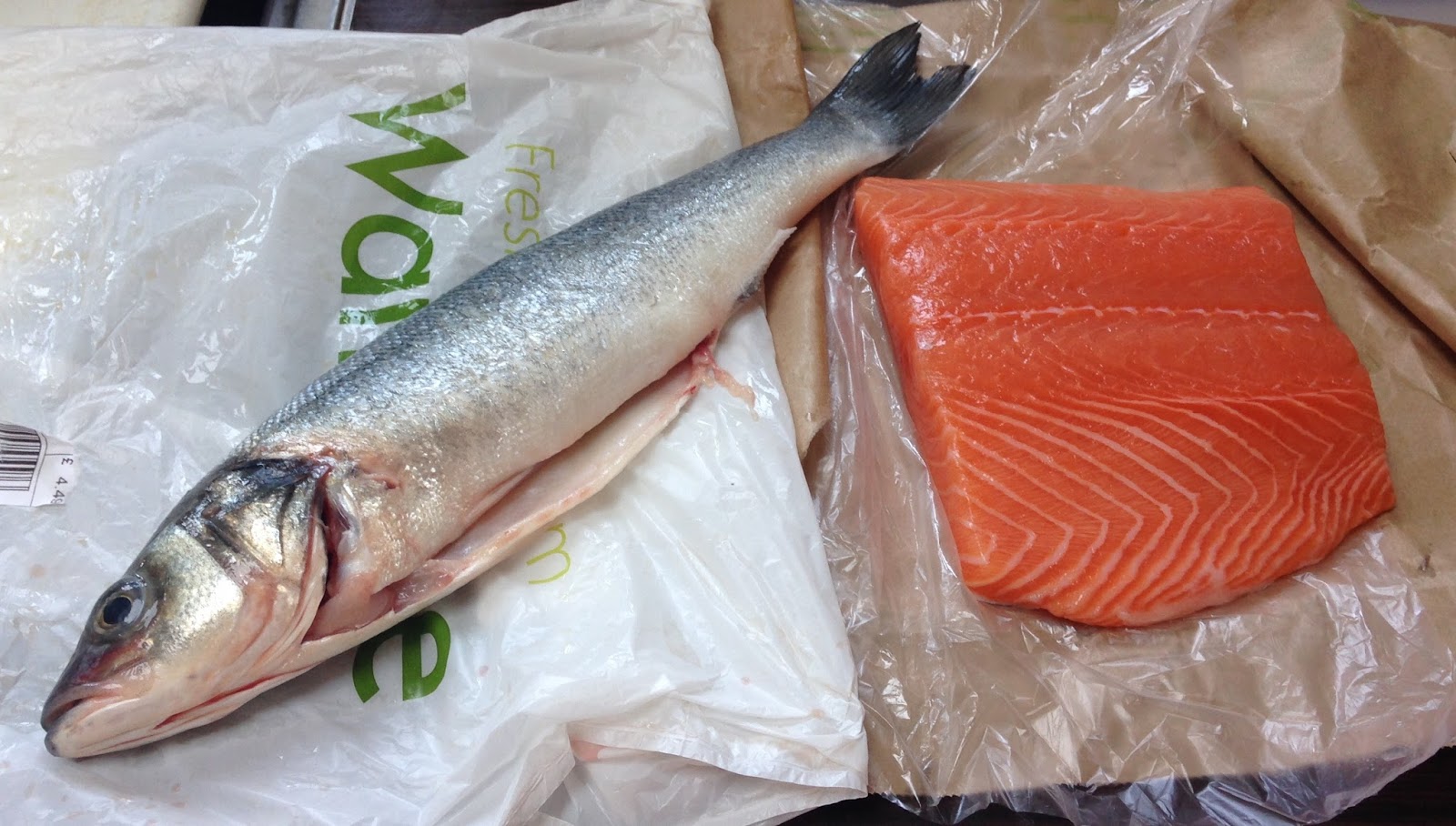
This is a very fresh salmon. I'm going to cure the fish with the salt for a couple days.

A whole sea bass. Gutted and curing with the salt and it'll going to be soaked in the vinegar. Perfect for sushi!!

So, the sushi is not always eating in raw. Authentic Japanese sushi are carefully perepared everything with the special techniques as well. Which is taking years and years to learn completely and become a chef.

One more thing, what's the different to the authentically and traditionally prepared sushi and a sushi in the supermarket or made by an instant sushi chef apart from I mentioned before.
The key is the rice. The sushi rice called "Shari". I'll show you how to cook the perfect Shari-rice on my next blog. See you then.xxx


2016/01/04

Happy New Year 2016!!!!

Hi,
Hope you had a lovely Christmas and New Year holiday.


We were invited the Christmas dinner by our friend. I was asked to make a sushi starter for 12 people which was really successful. Everybody loved my sushi!!!


I bought a fresh See bass and a fillet of Scottish Salmon from the fish counter of Witrose. Filleted the see bass, and preserved with the salt, for the salmon, only with the vinegar for a couple of days. I don't use the fresh raw fish for my sushi.
This is the authentic and traditional way to treat the fresh fish for the sushi in Japan. The mature fish meat and the perfectly cooked sushi rice will melt in your mouth!!

Hope this year of 2016 will be very good year for all of you, my friends!!!!!xxxxx


2015/12/10

Sushi and hygiene issue

It's been taken so many years for becoming a proper sushi chef 「板前 Itamaei」in Japan, traditionally. 
Yes, off course, you can make some tasty nice sushi at your home maybe after you attended a couple of sushi classes. The sushi is so popular in the western countries nowadays, isn't it? The quality of those sushi ,,,,,?

The hygiene issue, it would be the core of the sushi making. Did you know that? Especially for the professionals, when you offer the raw fish or fresh dish to your customers at your restaurant, the hygiene would be very important. I think that even at your home, it is a must to keep the good hygiene. 
Sushi restaurant in Japan, an apprentice have to learn to clean the restaurant every day for years and years, until the sushi master permit to touch the rice or some ingredients, but still not fish yet!! (Actually even in most of schools, we do clean the whole school every day!!)
You wonder why, because the sushi use some fresh raw fishes, so you have to very careful for the health and safety. All the process of making sushi basically in the strict hygiene environment. And also treating all the ingredients properly is the key to succeed to make the good sushi to eat safely. So you have to learn this issue before you start to make sushi.


 Te-zu

Sushi chef and cooks don't use any gloves in the process of making sushi at a sushi bar or restaurant in Japan. But here, you see at a food stand in this country.
Most people believe that using gloves for preparing food would be very hygienic. The fact is not. If you're using gloves more than 10 minutes, the bacteria will grown very quickly! Instead, sushi bars and fishmongers in Japan use a lot of water all the time in their kitchen and before and after their work again use a lot of water to clean. And using「手酢 Te-zu」a half water and a half vinegar for making nigiri and sushi every single piece. That's the way to keep the good standard hygiene level.      


This site is my sushi catering company just has lounched recently, but still in the middle of the establishment. Taking off is quite slow, but it'll be fine.
Chew Valley TAKUMI Sushi  
If you're interested in the sushi business, please contact me. 
I'll try to use the local ingredients as possible as I can and inevitably some from Japan or Asia.


2015/09/15

Japanese Buffet Party


I was asked to arrange a Japanese Buffet diner for 10 people the other day. 

I made sushi platters as usual, but cooked some family fishes.


Picture left (left to right); Hoso-maki - cucumber, tamago-yaki, tuna-mayonnaise, Nigiri - herring mop, tamago-yaki, Zuke-mozzarella, (centre) Temari-zushi - kinshi-egg, prosciutto, smaked salmon.  + Gari ginger.


This picture; basically the same as above but they are teriyaki chicken-maki here.

Honestly, it is not easy to find a very fresh fish for sushi in this country. I mean, the very very fresh fish that you can eat row as sashimi. Unless you work at a restaurant or live near a fishing village.
Of course, you cant get some frozen fish from Japan or somewhere else in the world. 
But I really want to use the local products as possible as I can. I do my best. 


Other dishes on my menu;
Chicken, Salmon fillets and Tofu marinated in the teriyaki sauce. Each dished are slightly different taste. Sesame beans, Tamago-yaki (egg rolls).
Not to forget, the gari ginger and wasabi for the sushi. Sake as well.


I made the website for my catering business the other day. Actually it's hasn't completed yet. I'm doing only sushi catering at the moment, but the other cuisine, like south African food, mainly Mozambequan, will be launch in the future.  

If you're interested in my site, please click 「Chew Valley Takumi Sushi」here.
And if you have any question, just ask me!!! Or comment, please.


gsjskfl

2015/09/01

Moyashi - Bean sprout

Have you tried to cook "moyashi「もやし」 bean sprouts" before? Actually you can eat this vegetable row in a salad. 
Your answer would be "YES", if you cook an Asian dinner. Chinese and Korean cuisines use a lot of moyashi. Some Japanese dishes cook with moyashi as well. 

I don't think that many people cook moyashi regularly, unless you're a lover of the Asian food or just love cooking.
So do you think you prepare this oriental vegetable properly? 

I'm going to show how to prepare moyashi properly or the Japanese way. (I don't know how other people in another Asian countries to prepare moyashi like this.)


What do you need to do first, fill the water in a big bowl after take out the moyashi from the package and then soak them in the water. 
You can see the brownish roots in the end of moyashi (1st pic). You don't need this part. You have to pluck them with your fingers one by one. This job is very important process cooking moyashi in the Japanese cuisine. It's quite taking time for doing this. So you can do other things simultaneously. Yes, you need patience.
Rid of the roots, but not the top end, "Germs", which is the most nutritious part (3rd pic). Keep them as possible as you can. Now it's beautifully clean(2nd pic).
This will be taste much better. And kept moyashi in the container with the water in the refrigerator will keep moyashi fresh and much longer. It's similar to keep Tofu in the water. In both cases, you have to change the water every day or twice a day. 


I've been constructing the Sushi catering business website, so if you're interested in, log on my site. Just have a look and leave your opinion, if you have. 
Then If you have a plan of Sushi a party or Japanese dinner for your family and friends soon, I can arrange the meals for you. You can enjoy an authentic and actually proper Japanese cuisine at your home. In the South West area only, mainly Bristol and Bath, at the moment.
Chew Valley Takumi Sushi 「匠すし」Your local Sushi expert!


2015/03/20

Shoyu - Soy sauce

Shoyu(しょうゆ、醤油), soy sauce in English, is very popular nowadays, isn't it?
Kikkoman bland is now very famous, even in a Chinese restaurant have some bottles of Kikkoman shoyu on their tables.

I use for my cooking a green-top Kikkoman shoyu which is less salt than the red-top one. 

Kikkoman green-top shoyu; my 1l and small table bottle. Sometimes I buy a ordinary red-top bottle but I prefer the green-top one.

You can buy a table bottle in almost every supermarket, but the big one was sold in the oriental superstores. It isn't cheep, though. It will cost you £ 7 to £ 8 per bottle. But if you're Japanese food lover and cooking an oriental food regularly, it worth to buy the big bottle. If you're new to the Japanese food, buy the small bottle. (less than £ 3)


Mackerel with the butter and shoyu.

Shoyu is very versatile. This is a must in your kitchen. You can cook the Japanese cuisine with it, of course, but also add shoyu to any dish. Just a dash of shoyu would be enhanced the aroma of your dish.
And then add the butter!!! It really good to get together so well. 
But, but, be careful, not too much, though, because there's quite lot of salt in it!